Neglecting to winterize your HVAC system can lead to costly repairs and inefficiencies. Discover the importance of winterizing your HVAC system and learn tips on preventing potential issues.
Inspecting and Cleaning HVAC Components
A comprehensive inspection and cleaning of HVAC components are among the easiest and most effective ways to ensure their efficient operation throughout the winter.
Checking and Replacing Air Filters
Start by checking your air filters. Dirty or clogged air filters can force your system to work harder, leading to unnecessary energy costs and potential complications. Replace your filters regularly because your HVAC system works overtime during the winter. A clean filter will improve indoor air quality and enhance the efficiency of your HVAC system.
Cleaning Vents and Ducts
Ensure your vents and ducts are clean and free from obstruction. Use a high-powered vacuum or hire the professionals at General Air to perform a thorough cleaning.
Inspecting and Cleaning Outdoor Units
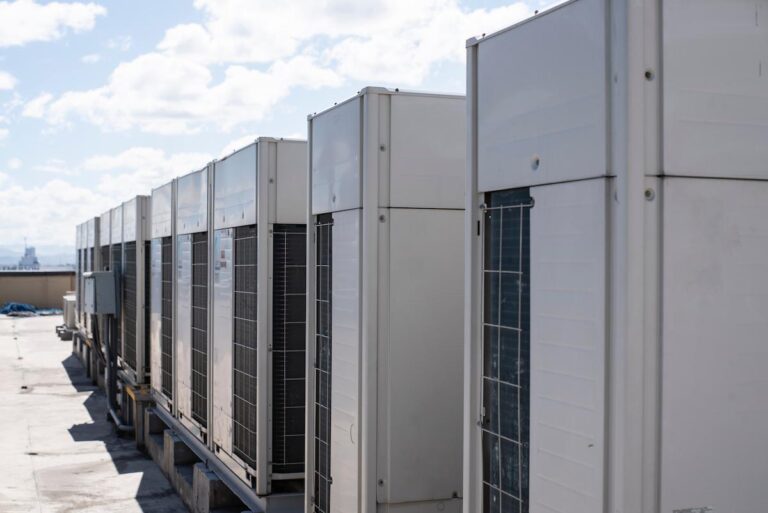
Debris can collect and obstruct outdoor units during the summer. Remove any blockages and clean the units before winter to prevent damage and increase efficiency. During your outdoor unit cleanup, cover the unit to protect it from snow and ice, but remember to remove these covers when the system is running.
Checking and Sealing Ductwork
Properly sealed and insulated ducts help retain the heated air within the system, enhancing energy efficiency and producing a more uniform temperature distribution across your home.
How to Inspect and Seal Ductwork
Inspect your ductwork for visible signs of leaks, such as streaks of dust or damaged insulation. You can also turn on your HVAC system and feel for drafts around the ductwork. Use a duct-sealing product to seal any leaks.
Insulation is equally critical to prevent heat loss from the ducts running in unheated spaces. If the insulation appears worn or thin, replace it or wrap the ducts with additional insulation. Extensive ductwork faults, however, require professional assistance for an effective solution.
How to Test the Thermostat and Heating System
Start by setting your thermostat to heating mode and adjusting the temperature slightly above the room temperature. Listen for your heating system to kick on and ensure the temperature matches your setting after a few minutes. If your thermostat is not reading or adjusting correctly, you might need to recalibrate it or replace its batteries. You may also consider upgrading to a programmable thermostat for better temperature control and energy savings.
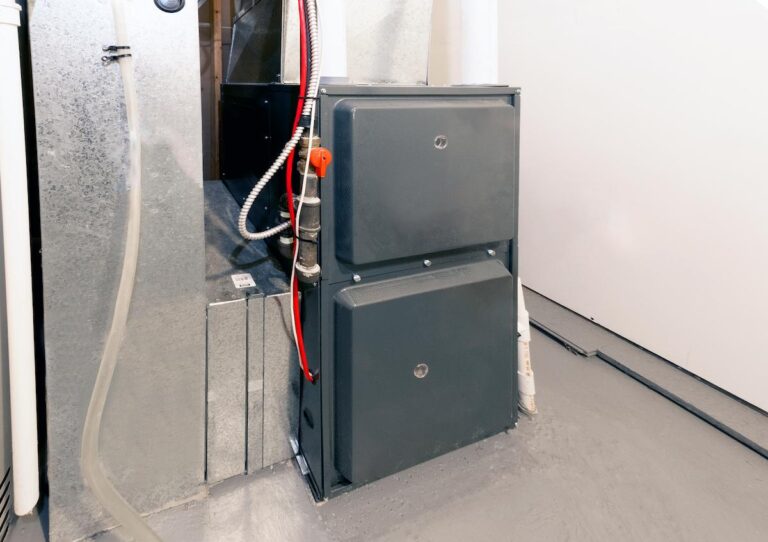
After confirming your thermostat’s functionality, allow the heating system to run for about 30 minutes. Pay close attention to any unusual sounds, odors, or inconsistencies in heat distribution. Always ensure your heating system can reach the desired temperature efficiently and maintain it consistently for an extended period. Unusual system responses or inefficient operations require professional inspection or repair.
Preventing Frozen Pipes and Condensate Lines
Cold winter temperatures can cause frozen pipes and condensate lines in your HVAC system. To avoid these, always keep your indoor temperatures above 55°F. Insulated pipe covers can also protect your outdoor pipes from freezing temperatures.
Importance of Insulation and Heat Tape
Insulation guards your system against heat loss, while heat tape, when wrapped around condensate lines, provides extra heat to prevent freezing. You’ll avoid freezing issues that could lead to bursts and leaks by correctly insulating and using heat tape on your HVAC system.
Professional Maintenance and Inspection
While DIY winter HVAC tips are helpful, a trained technician can detect problems that homeowners might overlook, improving the functionality and lifespan of your HVAC system. They can also provide expert advice on maintenance frequency and any necessary part replacements. Preventive maintenance before winter begins minimizes the risks of breakdowns and contributes to lower energy costs.
Winterize Your HVAC System with General Air: Stay Warm All Season
Winterizing your HVAC system keeps your home warm, extends your device’s lifespan, enhances efficiency, and prevents unexpected repair costs. Inspecting and cleaning HVAC components, avoiding frozen pipes and condensate lines, and regular maintenance and inspections can help keep it running smoothly throughout the season.
General Air is always ready to help with all your winter HVAC maintenance needs. Contact us to schedule a maintenance visit before winter. Our experts can guarantee your HVAC system is well-prepared for the cold season ahead.
Image credit: J.J. Gouin / Shutterstock